
Introduction
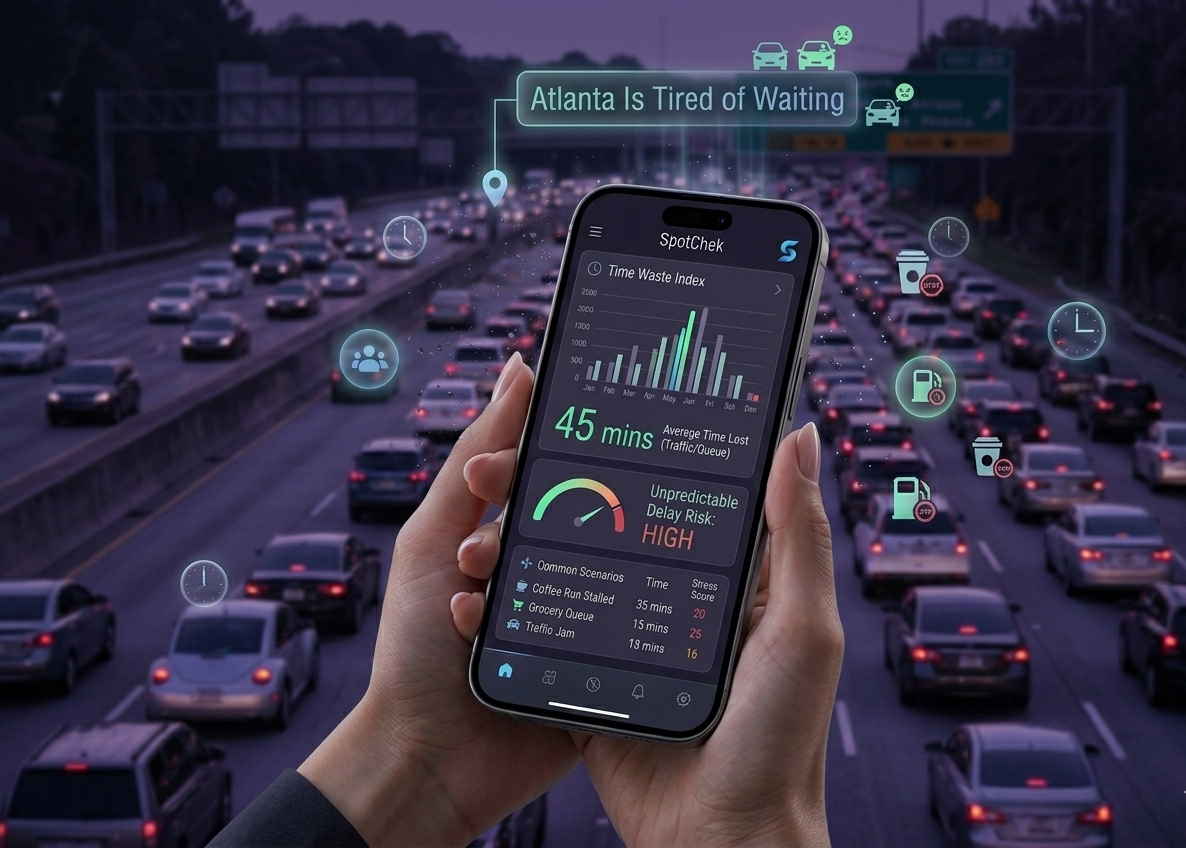
You stand in line at the coffee shop. You wait for a cart at Target. You sit in traffic at the park entrance. Feels like minutes. But what if you added it all up? The hidden cost of waiting is far worse than boredom. It is stealing your money, your energy, and your relationships. In this post, we will show you exactly how much you lose and how small, smarter decisions—like checking real-time crowd data before you go—can give you back hours every single week.
What Is the Hidden Cost of Waiting?
The hidden cost of waiting is the total price you pay for time spent in queues. This includes obvious losses like wasted minutes. However, it also includes invisible drains: frustration that ruins your mood, impulsive buying while bored in line, and skipped opportunities like exercise or family time.
Furthermore, these costs compound. Ten minutes here. Twenty minutes there. By Friday, you have lost an entire afternoon. As a result, you feel constantly behind.
Why This Cost Matters More Than Ever
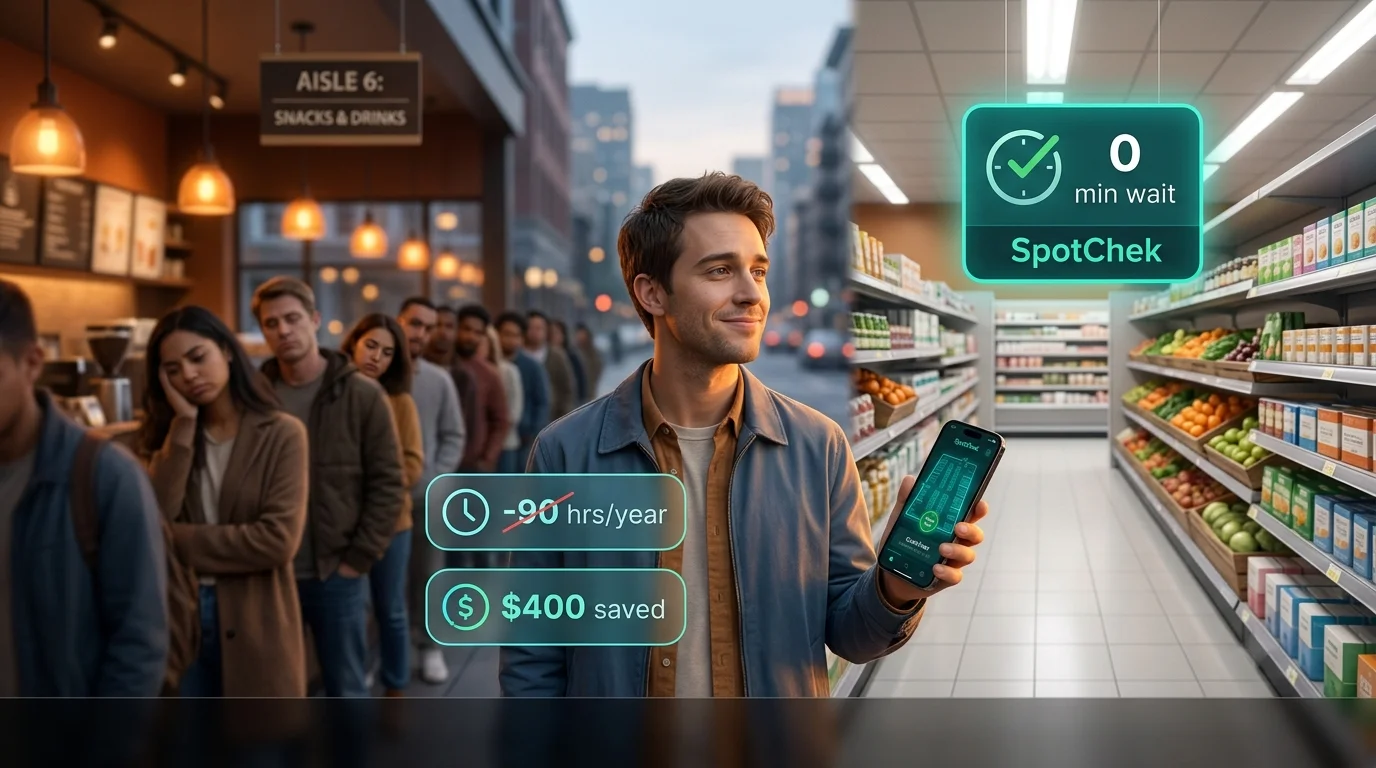
Time is your only non-renewable resource. Yet, most people never measure queue time. According to a 2023 time-use study, the average American spends 90 hours per year waiting in lines. That is over two full work weeks.
Moreover, the psychological cost is real. Research shows that waiting increases cortisol (stress hormone) by 25%. Consequently, one long line can ruin your next two hours. You become short-tempered with loved ones. You make worse decisions.
The good news? Most waiting is optional. You just need better information.
Key Benefits of Cutting Your Wait Time
Reclaim 100+ Hours Annually
The most direct benefit of reducing the hidden cost of waiting is time. Imagine finding an extra two hours every weekend. That is 104 hours per year. You could learn a language, sleep in, or start a hobby. In addition, you stop feeling rushed. Your days expand.
Save Money on Stress Spending
Here is a secret: stores design long lines to make you buy more. Those candy bars, magazines, and phone chargers near the register? They are temptation traps. When you avoid queues entirely, you avoid impulse purchases. As a result, you save an estimated $300–$500 per year.
Protect Your Relationships
Waiting makes you irritable. Irritability leads to snapping at your partner or kids. However, when you arrive at places during quiet times, you arrive calm. You have more patience. You actually listen. Furthermore, shared errands become shared adventures, not shared misery.
How SpotChek Helps You Reclaim What Waiting Steals
SpotChek attacks the hidden cost of waiting at its source: lack of information. Our app provides real-time crowd levels for thousands of locations—grocery stores, pharmacies, malls, coffee shops, parks, and more.
Real use case: David used to lose 3 hours every Sunday to errands. He would hit Home Depot (15 min wait), then the grocery store (20 min wait), then the gas station (10 min wait). That is 45 minutes just standing. Now, he checks SpotChek before leaving. He sees which Home Depot is green. He learns the grocery store is quiet at 7 PM, not 9 AM. He finishes everything in 90 minutes total. No waiting. No frustration.
Furthermore, SpotChek remembers your favorite places. You get notifications like “Your usual Target is busy now. Try the one on Main Street—it’s quiet.”
That is how you beat the hidden cost of waiting without changing your life. Just checking before you go.
Conclusion
Every minute spent waiting is a minute stolen from your life. You cannot get it back. But you can stop losing more. Start by checking crowd data before every errand. Make waiting optional, not automatic.
Ready to reclaim your time? Download SpotChek for free today. Join thousands of smarter planners who refuse to stand in line.