
Introduction
For many families and individuals, going out to a restaurant, shopping mall, café, or entertainment venue is something simple and enjoyable. However, for people living with autism, sensory processing disorders, anxiety, or mobility challenges, these everyday experiences can quickly become stressful and overwhelming. Loud noises, crowded spaces, bright lighting, and unpredictable surroundings often create barriers that make public outings difficult.
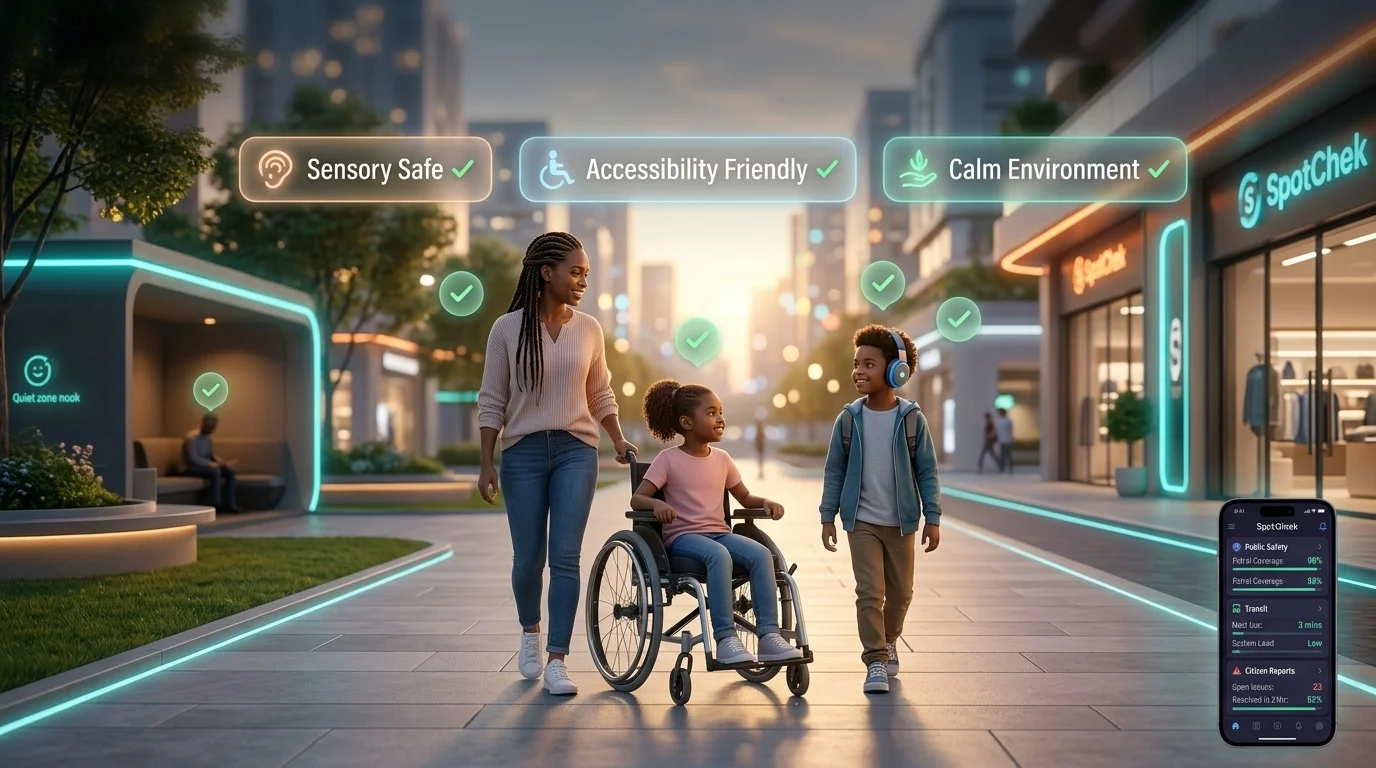
Today, accessibility is no longer just an added feature — it has become an essential part of creating inclusive communities. Platforms like SpotChek are helping bridge this gap by allowing users to discover sensory-friendly and accessible spaces with confidence. By providing detailed information about environments before people arrive, SpotChek empowers families and individuals to plan better experiences with less stress and more comfort.
Why Sensory-Friendly Spaces Are More Important Than Ever
The need for accessible and sensory-friendly environments continues to grow every year. According to recent studies, approximately 1 in 36 children in the United States has been diagnosed with autism spectrum disorder. In addition, millions of people experience anxiety disorders, sensory sensitivities, or physical accessibility challenges that affect their daily lives.
For these individuals and their families, knowing what to expect before visiting a location can make a huge difference. A quiet atmosphere, manageable crowd levels, wheelchair accessibility, or calming surroundings can transform an outing from overwhelming to enjoyable. Accessibility is not simply about convenience — it is about creating equal opportunities for everyone to participate comfortably in everyday activities.
Businesses that prioritize accessibility also build stronger trust within their communities. Families are more likely to revisit places where they feel understood, welcomed, and accommodated. This shift toward inclusive environments benefits both customers and businesses alike.
How SpotChek Helps Families and Individuals
SpotChek is designed to simplify the process of finding spaces that match different accessibility and sensory needs. Instead of relying on guesswork, phone calls, or trial-and-error visits, users can quickly search for locations that provide a more comfortable experience.
The platform offers tools that help people make informed decisions before leaving home. Users can explore sensory-friendly restaurants, check real-time crowd levels, and review accessibility features shared by businesses and community members. This creates a more predictable and less stressful experience for families, caregivers, and individuals who require specific accommodations.
Some of the most valuable accessibility-focused features include:
- Sensory-friendly and autism-friendly location filters that help users find calmer environments.
- Accessibility indicators such as wheelchair access, quiet areas, and family-friendly amenities.
- Real-time crowd updates that help individuals avoid overstimulating situations.
- Community reviews and notes that provide firsthand insights into different locations.
By combining accessibility information with real user experiences, SpotChek creates a supportive community centered around inclusion and awareness.
Real-Life Benefits of Accessible Spaces
Accessible and sensory-friendly environments positively impact people in many different ways. Families with autistic children can confidently plan outings knowing they have tools to identify quieter and more accommodating places. Individuals with anxiety can avoid crowded locations by checking peak hours and crowd activity before visiting.
Wheelchair users and individuals with mobility limitations also benefit from clear accessibility information that helps them confirm whether a location is physically accessible. Caregivers and parents gain peace of mind knowing they can better prepare for outings and reduce unexpected challenges.
Imagine a mother planning a birthday dinner for her autistic son. In the past, this may have involved calling multiple restaurants, worrying about noise levels, and potentially leaving early if the environment became overwhelming. With SpotChek, she can search for sensory-friendly restaurants nearby, view accessibility details, and choose a quieter location that fits her child’s needs. Instead of stress and uncertainty, the family enjoys a memorable and comfortable evening together.
These experiences demonstrate how accessibility tools can genuinely improve quality of life for countless families and individuals.
Tips for Finding Sensory-Friendly and Accessible Locations
Finding the right environment becomes much easier when users know what to look for before visiting a location. Planning ahead can help reduce stress and create more positive experiences for everyone involved.
Here are a few helpful ways to identify accessible spaces more effectively:
- Use sensory-friendly and accessibility filters when searching for restaurants, stores, or public places.
- Check crowd levels during your planned visit time to avoid overly busy environments.
- Review business profiles carefully to confirm features such as wheelchair access, quiet seating areas, or family accommodations.
- Read community reviews and accessibility notes shared by other users for real-world insights.
- Share your own experiences after visiting a location to help other families make informed decisions.
Small steps like these can make outings significantly more comfortable, predictable, and enjoyable.
Creating a More Inclusive Future
Accessibility should never be viewed as a luxury or optional feature. Every individual deserves the ability to enjoy public spaces with dignity, comfort, and confidence. As awareness around sensory needs and accessibility continues to grow, businesses and communities have an opportunity to create environments that truly welcome everyone.
SpotChek supports this mission by helping users discover inclusive spaces while encouraging businesses to prioritize accessibility and sensory awareness. Through technology, community feedback, and better information sharing, families and individuals can navigate the world with greater ease and confidence.
By making accessibility more visible and easier to understand, SpotChek is helping build a future where everyone feels included, supported, and empowered during everyday experiences.