
Introduction:
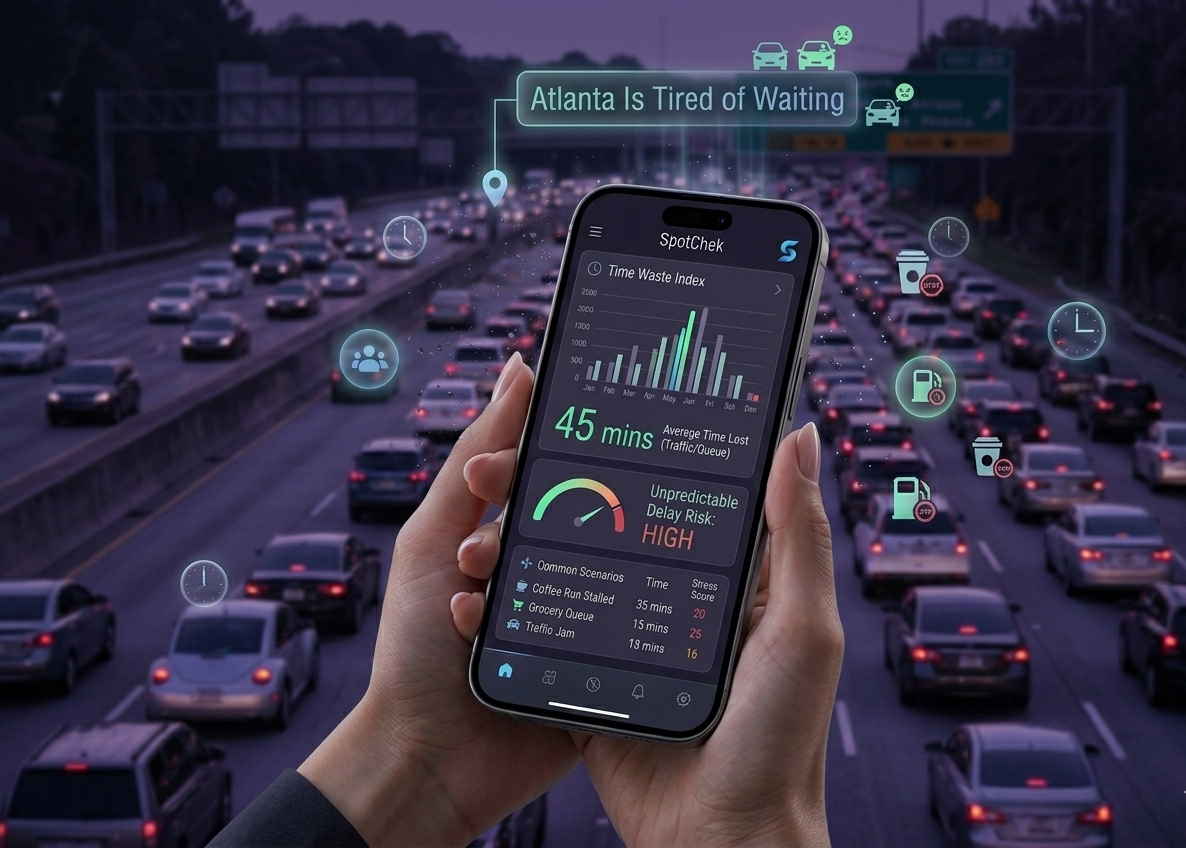
Planning a day in the city often leads to overthinking and confusion. With so many options available, people spend more time deciding than actually enjoying their day. A better approach is to simplify planning and use real-time awareness instead of rigid schedules.
Understanding Flexible Planning:
Flexible planning means having a basic structure for your day but allowing real-time adjustments based on conditions like crowd levels, traffic, and mood. This approach helps reduce stress and improves overall experience.
Practical Use Cases:
- Choosing restaurants based on current wait times
• Deciding when to visit malls or parks
• Adjusting travel routes in real-time
• Spontaneously selecting entertainment spots
Key Features of Smart Planning:
- Live location insights
• Crowd and traffic awareness
• Time-based recommendations
• Flexible scheduling approach
Benefits:
- Less decision fatigue
• More enjoyable experiences
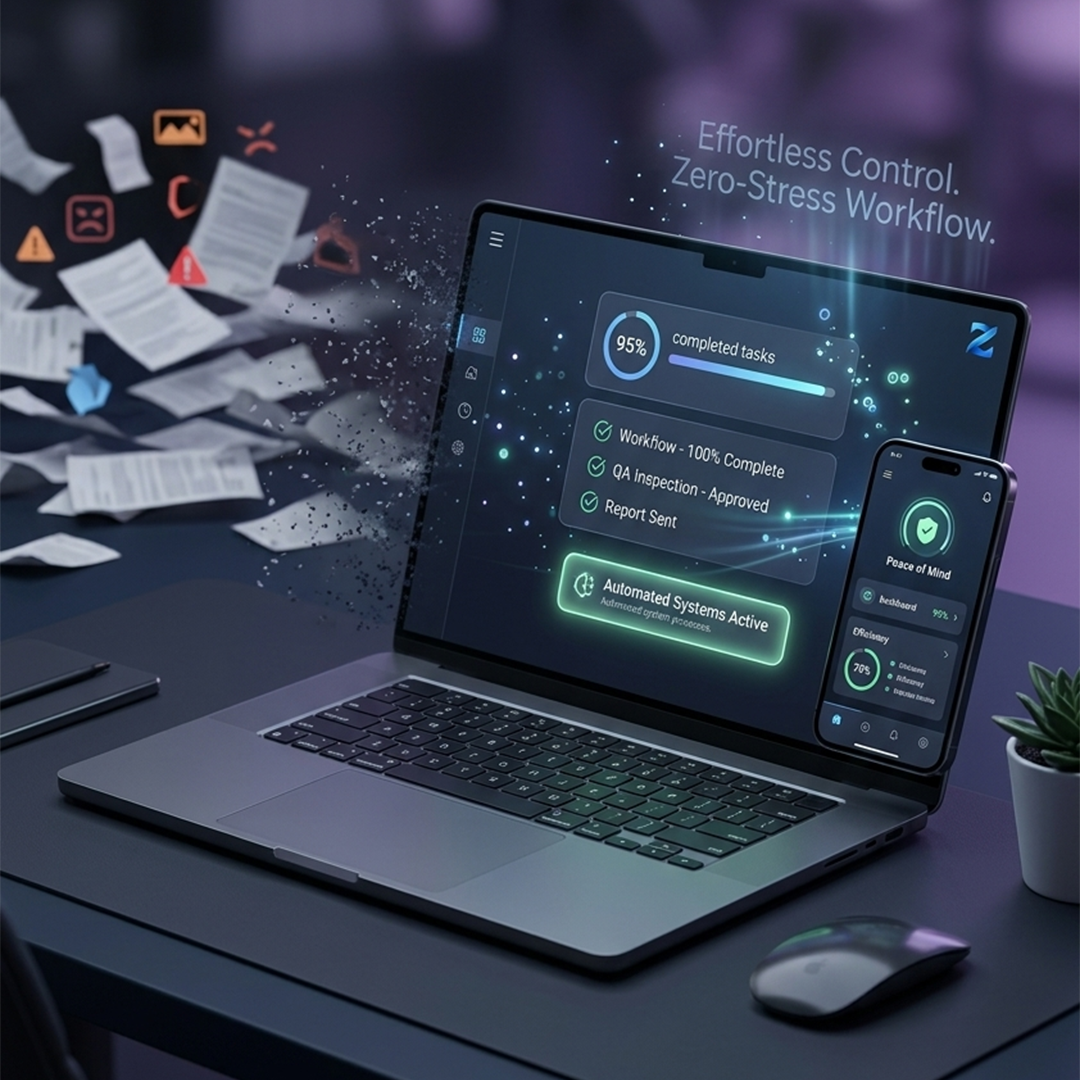
• Reduced planning stress
• Better use of time
• Improved spontaneity without chaos
Real-Life Scenarios:
Instead of planning every hour of your weekend, you start with just one activity like lunch. After that, you check real-time conditions to decide your next move, ensuring your day flows naturally.
Tips:
- Don’t over-plan your entire day
• Keep 1–2 fixed activities only
• Use live data before every decision
• Stay open to changes
Conclusion:
A perfect day is not fully planned — it is smoothly adjusted. When you stop overthinking and start responding to real-time conditions, your day becomes more enjoyable and stress-free.